
Industrial ESS
50kWh-1MWh+ container/cluster ESS for C&I and grid
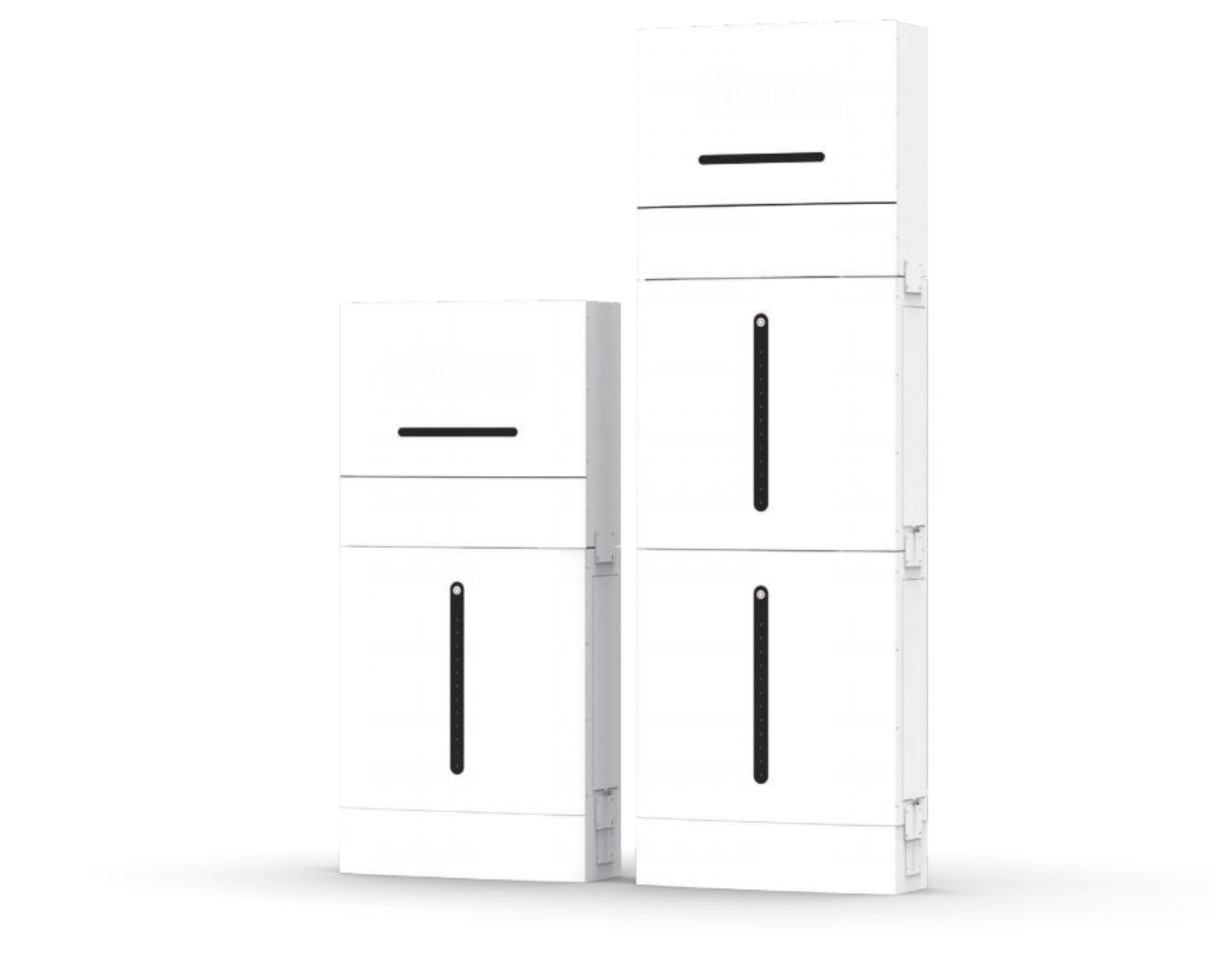
The XGW home energy storage system pairs stackable 48V/51.2V LiFePO4 battery modules (5-20kWh) with hybrid inverters from 3kW to 15kW, giving households solar self-consumption, peak shaving and whole-home backup. Wi-Fi app monitoring shows real-time energy flow, while the stackable design lets capacity grow with the household - start at 5kWh, expand to 20kWh by adding modules.
Request Quote & Datasheet WhatsApp| Capacity | 5kWh - 20kWh (stackable modules) |
|---|---|
| Nominal Voltage | 48V / 51.2V |
| Chemistry | LiFePO4 |
| Cycle Life | ≥ 6,000 cycles @ 80% DoD |
| Hybrid Inverter | 3kW / 5kW / 10kW / 15kW |
| Communication | RS485, CAN, Wi-Fi, app monitoring |
| Installation | Wall-mount / floor-stack; IP65 outdoor option |
| Operating Temperature | -10°C to +50°C |
| Certifications | CE, RoHS, UN38.3, IEC 62619 |
| Warranty | 10 years |
Store daytime PV generation for evening use, reducing grid dependency by 60-80%. Stackable modules let capacity grow from 5kWh to 20kWh as household energy needs evolve.
Whole-home or essential-circuit backup during grid outages. Hybrid inverter automatically islands the home within milliseconds, supplying critical loads from battery and solar without interruption.
Discharge during expensive tariff windows and recharge during off-peak hours. Wi-Fi app shows real-time energy flow, enabling homeowners to optimize savings against time-of-use rate structures.
Hybrid operation with generator backup for remote homes and cabins. LiFePO4 chemistry tolerates partial state-of-charge operation without sulfation damage, unlike lead-acid alternatives.
Buffer high-power EV charging loads against limited grid service capacity. The battery system supplements grid power during fast-charging sessions, avoiding costly electrical service upgrades.
Scalable systems for small businesses, farms and multi-unit residential properties. IP65 outdoor-rated options enable installation without dedicated indoor battery rooms.
Home storage is chosen by whether you already have solar and how you want to wire it. Chemistry is now almost always LiFePO4.
| Retrofit | AC-coupled, keeps existing PV | DC-coupled, new PV | Legacy only |
|---|---|---|---|
| Efficiency | Slight inverter loss | Best round-trip | Lower |
| Chemistry | LiFePO4 | LiFePO4 | Lead-acid |
| Best for | Add storage to PV | New install | Budget legacy |
Choose AC-coupled when adding storage to an existing solar inverter - it keeps your PV untouched. For new builds, DC-coupled wins on efficiency. Compare with the larger C&I ESS in the Battery & ESS hub.
A typical household starts with 10kWh covering evening consumption; all-electric homes or EV charging usually justify 15-20kWh. Our sizing guide walks through daily kWh usage, PV capacity and outage autonomy targets.
Yes. The stackable module design lets you start at 5kWh and add modules up to 20kWh without replacing the base unit.
Yes. With a hybrid inverter, the system automatically islands the home and supplies backup power from battery and solar within milliseconds.
Our battery modules integrate via CAN/RS485 with major hybrid inverter brands, and we supply matched XGW hybrid inverters (3-15kW) as a complete system.
50kWh-1MWh+ container/cluster ESS for C&I and grid
48V 50-200Ah LiFePO4 battery for telecom base stations
51.2V 100-200Ah traction battery for EV and material handling
100Ah / 4.8kWh Na-ion pack, 4,000 cycles, discharge to -20℃ — cold-climate option
20-60Ah, 380-1,000A CCA, cranking to -40℃ without pre-heating
37 senior R&D engineers. OEM/ODM from 500 units. Samples in 3-7 days.
Get a Quote WhatsApp Us